





Today, more than 550 million Indians rely on health insurance for financial protection.... Read more
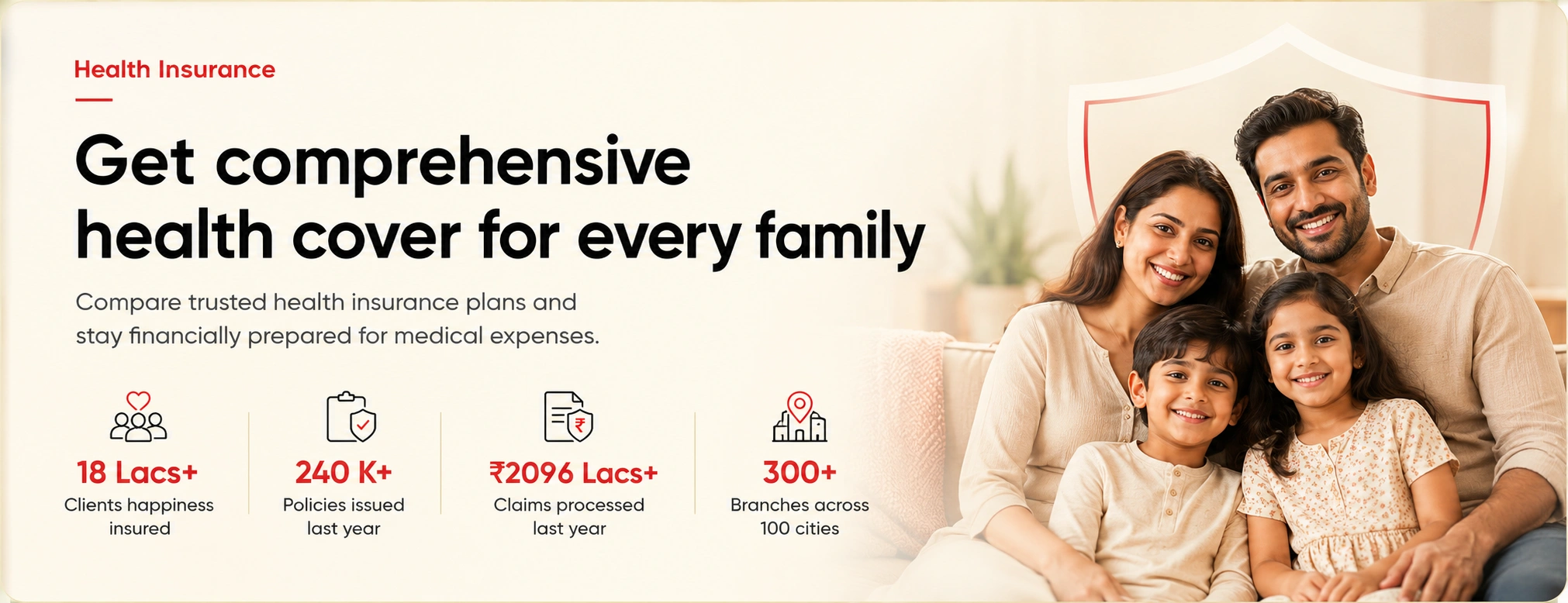
When it comes to securing your health and financial well-being, BajajCapital Insurance stands out as a trusted name in India.
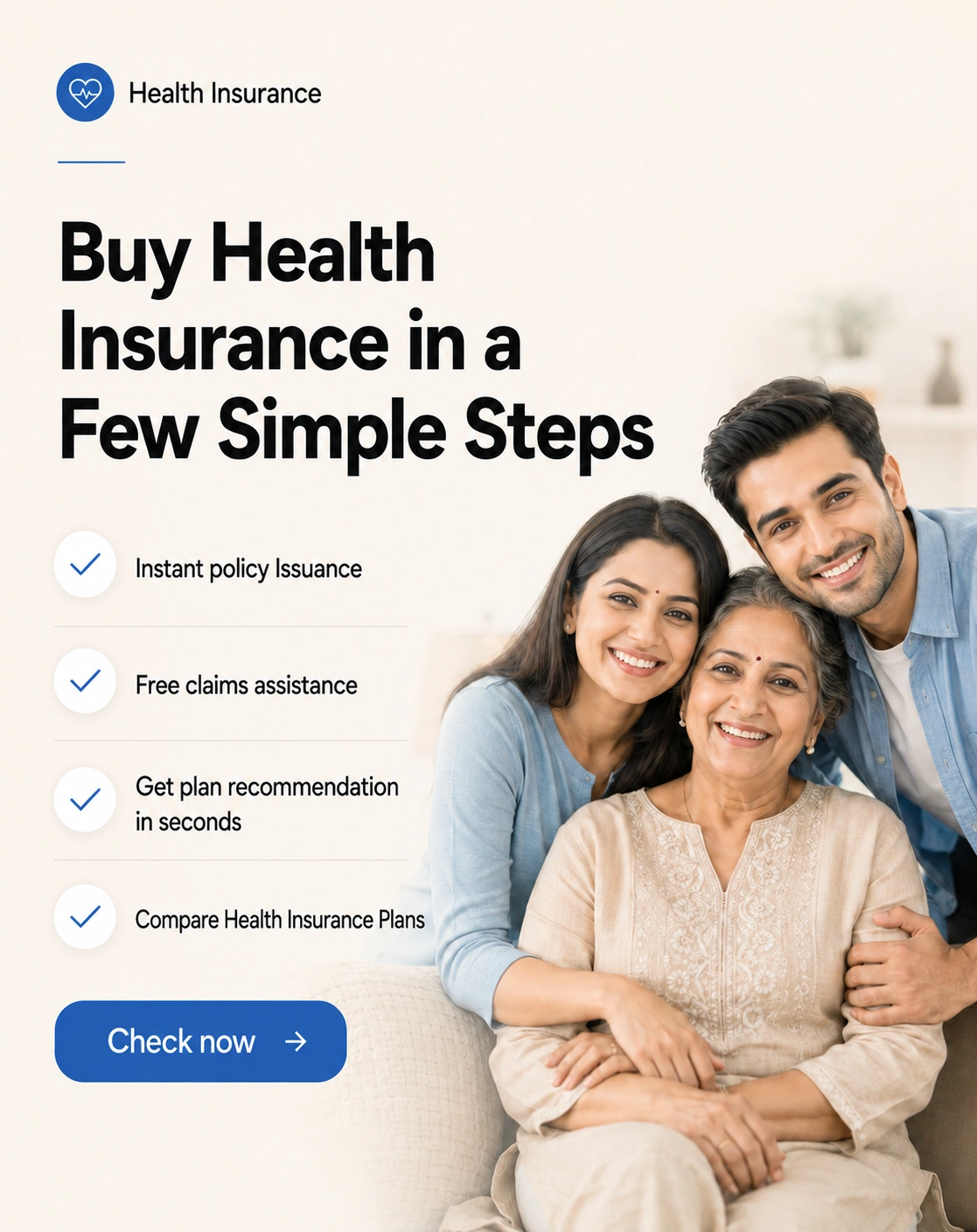
Buy Health insurance plan in a few simple steps
A health insurance plan refers to a financial backup against rising medical costs. It offers coverage for hospitalisation, surgeries and more. Health insurance plans ensure that quality healthcare is never a burden on your savings, making sure you receive support for both medical emergencies and planned treatments. In the current unpredictable landscape, mediclaim health insurance is no longer just a choice but a necessity.
With over 60 years of experience in financial services, Bajaj Capital works with multiple insurers to help customers compare and select suitable health insurance plans. Bajaj Capital Insurance Broking Ltd. is an IRDAI-licensed Direct Broker (Life & General).
Access plans from leading insurers all in one place. You can compare insurance policies and their benefits, features, exclusions and coverage options side by side. Get personalised health insurance quotations based on your personal credentials and medical history.
Complete your application online, and after payment, the policy is issued directly by the insurer. Bajaj Capital facilitates a smooth onboarding process.
Bajaj Capital provides claim support assistance by guiding customers with documentation and coordination. However, claim assessment and settlement are handled solely by the insurer.
By using your age, family details, location, and medical history, our system suggests suitable plans from insurance providers within seconds — saving you both time and effort. Recommendations are based on information provided by the customer.
Disclaimer:Bajaj Capital Insurance Broking Ltd. is an IRDAI-licensed Direct Broker (Life & General). We do not underwrite or issue insurance policies.








Disclaimer: The above insurers are listed for illustrative purposes only. Bajaj Capital Insurance Broking Limited does not recommend or promote any specific insurer. The information displayed on this website is of the insurers with whom our company has an agreement.
The cost of healthcare in India is rising rapidly. According to recent data, medical inflation is at 13%-14% annually, far outpacing even the general inflation rate. It means that routine hospital stays, diagnostics, and surgeries can quickly become financially draining for someone without the right coverage.
Here are a few reasons which clearly point out why having health insurance is no longer optional:
Hospital bills are soaring now more than ever. For instance, the cost of common procedures such as a kidney transplant or angioplasty has tripled in recent years. In such circumstances, paying out-of-pocket expenses can deplete life savings or force families into debt.
India is facing a surge in non-communicable diseases such as heart conditions and diabetes, which require long-term care and repeated medical conditions. These conditions not only lead to frequent hospital visits but also require expensive lifelong treatment.
With health insurance, you are not just paying for a policy but rather building a financial backup. During emergencies or planned treatments, having the right coverage can ensure you do not have to compromise on your long-term financial goals.
Select from individual, family floater, senior citizen, or specialised plans like critical illness or maternity. The choice depends on age, health, family size, and financial goals.
After choosing a policy, pay premiums monthly, quarterly, or yearly. The amount depends on age, sum insured, lifestyle, and medical history. Timely payments ensure uninterrupted coverage.
Health insurance covers hospitalisation, surgeries, doctor consultations, medicines, diagnostics, and sometimes ambulance charges. Optional riders enhance coverage further.
Policyholders can avail themselves of treatment at network hospitals through cashless claims, where the insurer pays the hospital directly. For non-network hospitals, claims are made through reimbursement, where the insured pays first and submits bills to the insurer for settlement.
Certain treatments and pre-existing conditions may have waiting periods before coverage begins. Policies also list exclusions, such as cosmetic procedures or experimental treatments. Understanding these terms ensures you know what is covered and when.
Health insurance policies need to be renewed annually or for multiple years. Renewing early ensures continuous coverage. Starting young helps lower premiums and build long-term financial protection against rising healthcare costs.
Insurers publish claim settlement data annually. Customers may review insurer disclosures to understand claim processes and service availability.
The premium is the amount you pay regularly, either monthly or annually, to keep your health insurance active. It depends on your age, coverage, lifestyle, and sum insured.
The waiting period is the time you must wait before certain treatments or pre-existing conditions are covered. It ensures that the policy only covers eligible medical events after the specified period.
Sum insured is the maximum amount your insurer will pay for medical expenses during the policy period. Choosing the right sum insured ensures you are financially protected in case of major treatments.
Network hospitals are tie-ups of the insurer where you can avail of cashless treatment. Treatment in these hospitals reduces your out-of-pocket expenses and simplifies the claims process.
A deductible is the fixed amount you must pay out of pocket before your insurance starts covering expenses. Higher deductibles often result in lower premiums.
A pre-existing condition is any illness or medical condition that existed before purchasing the policy. Coverage for such conditions may have a waiting period or specific exclusions.
Co-payment is the percentage of the claim amount that you share with the insurer. For example, if your plan has a 10% co-payment, you pay 10% and the insurer pays 90% of the claim.
The claim settlement ratio is the percentage of claims an insurer has paid in a year. A higher ratio indicates reliability and customer-friendly claim processing.
Financial Protection Against Medical Emergencies: Health insurance provides a strong financial safety net during medical emergencies. Hospitalisation, surgeries, and critical treatments can be very expensive. With health insurance, you can cover these costs without dipping into your savings or taking loans, ensuring financial stability.
Peace of Mind for Individuals and Families: Having health insurance gives peace of mind to both you and your family. You can focus on recovery and daily life without worrying about sudden medical expenses. Knowing that your loved ones are financially protected allows you to face health challenges with confidence.
Access to Cashless Network Hospitals: Most health insurance plans offer cashless treatment at network hospitals. This means the insurer directly settles eligible medical expenses with the hospital, reducing your out-of-pocket payments. Cashless facilities simplify the claims process and make hospitalisation less stressful.
Coverage for Treatments, Medicines, and Ambulance: Health insurance covers not only hospitalisation but also associated medical expenses. This includes treatments, surgeries, diagnostic tests, medicines, and sometimes ambulance charges. Some plans also cover pre- and post-hospitalisation costs, daycare procedures, and preventive health checkups.
Flexibility and Additional Benefits: Many insurers offer optional add-ons and riders to enhance coverage. These include critical illness cover, maternity benefits, personal accident cover, and more. Such flexibility allows you to customise your plan based on personal needs and lifestyle.
Long-Term Financial Security: Purchasing health insurance early helps you save on premiums and ensures long-term protection. Over time, it reduces the financial impact of rising healthcare costs and helps maintain financial stability even during serious illnesses.
Medical expenses are increasing rapidly, especially for hospitalisation, surgeries, and treatments for lifestyle-related illnesses like diabetes, heart disease, and hypertension. Health insurance helps cover these costs and ensures that quality medical care is accessible without financial strain.
Buying health insurance early in life offers lower premiums because younger individuals are considered low-risk. It also reduces waiting periods for pre-existing conditions, maternity, and specialised treatments, ensuring faster and broader coverage when needed.
Health insurance provides financial protection not just for you but also for your family. Family floater plans cover multiple members under a single policy, ensuring that your spouse, children, and sometimes parents receive timely medical care without worrying about expenses.
Unexpected medical emergencies, accidents, or critical illnesses can disrupt your finances. Health insurance minimises the out-of-pocket costs, prevents depletion of savings, and allows you to focus on recovery rather than worrying about bills.
With health insurance, you gain confidence that medical expenses are covered. This peace of mind allows you to concentrate on work, personal life, and family, knowing that you are financially protected against health-related uncertainties.
Insurance providers offer various plans with add-ons, riders, and customisable coverage. This flexibility ensures that you can choose a policy tailored to your age, health needs, and financial goals, making health insurance both practical and effective.
When you buy health insurance at a young age, your premiums are generally lower. Insurers consider younger individuals as lower-risk customers because they are less likely to face serious health issues. Paying smaller premiums early helps save money over the long term.
Young and healthy applicants face fewer medical checks and simpler approval processes. Insurers are more likely to approve policies quickly, with fewer exclusions or waiting periods, compared to older applicants who may have pre-existing conditions.
Buying early allows you to secure coverage for many years. Long-term policies continue to protect you as you age, ensuring that your health needs are met even when medical expenses rise later in life.
Starting early reduces the impact of waiting periods for pre-existing conditions. By the time you develop certain conditions, your policy may already cover them, offering better protection without additional costs.
Health emergencies can occur at any age. Early insurance ensures you are financially prepared for hospitalisation, surgeries, or other medical treatments. This reduces the risk of draining savings or taking loans during emergencies.
Younger policyholders have more flexibility to add riders or add-ons, such as critical illness cover, maternity benefits, or personal accident cover. Early policies allow gradual upgrades as life circumstances change.
Having health insurance early gives peace of mind. You can focus on your work, studies, or family without worrying about sudden medical expenses disrupting your finances.
Most plans cover major and minor hospitalisation expenses, including room rent, ICU charges, doctor consultations, medicines, and diagnostic tests. This ensures you receive the care you need without financial stress.
Plans typically include benefits of health insurance in India, covering expenses incurred before and after hospitalisation, such as diagnostic tests, follow-up visits, and medications. This provides complete protection around any medical event.
Modern treatments often do not require 24-hour admission. Mediclaim insurance plans cover a wide range of daycare procedures, offering flexibility and broader financial protection.
Cashless treatment available at insurer-approved network hospitals.
Many plans include a complimentary health checkup to help you stay proactive about your well-being and track potential health concerns early.
For every claim-free year, you can earn additional coverage without increasing your premium. It rewards healthy habits and strengthens your protection over time.
After the applicable waiting period, pre-existing conditions are covered, making long-term planning essential for families with ongoing medical needs.
Enhance your plan with add-ons such as critical illness cover, maternity benefits, accidental cover, and OPD care for more personalised protection.
Most comprehensive basic health insurance plans cover hospitalisation expenses that incur due to injury, illness and other planned procedures. It includes coverage for ICU fees, room rent, nursing charges, and more.
The daycare procedure takes less than 24 hours of hospital stay. A few examples of such treatments and procedures are minor surgeries, cataract removal, and other advanced diagnostic treatments.
Health insurance also covers expenses which occur before and after hospitalisation. It includes doctor consultations, diagnostic tests, follow-ups and medicines. All, depending on the plan, pre-hospitalisation is covered for around 30 – 60 days, and post-hospitalisation is covered for around 60 – 180 days.
During medical emergencies, ambulance charges add up quickly. Most of the plans cover emergency ambulance expenses to ensure a timely transport to the hospital without worrying about any out-of-pocket costs.
Policyholders can get treated at network hospitals without making any upfront payments. Health insurance allows direct billing between the insurer and the hospital.
Several policies include coverage for AYUSH (Ayurveda, Yoga, Unani, Siddha and Homoeopathy) treatments. It ensures better access to alternative healing systems if you prefer such options of therapy.
Many plans provide wellness benefits and annual health checkups. These benefits can help you stay proactive about your well-being and detect any potential concerns early on.
Note: Coverage features vary across insurers and plan types.
While health insurance covers pre-existing illnesses, they are not payable until the waiting period is completed. Most insurers set a waiting period of 1 to 4 years, depending on the different diseases.
Procedures such as hair transplants, cosmetic surgery, or plastic reconstruction done for enhancement purposes are generally excluded. However, surgeries medically required after accidents or burns may be covered.
Any treatment required as a result of self-harm or suicide is excluded from health insurance policies. It is a standard clause across the majority of insurers.
Items such as gloves, kits, toiletries, or administrative charges are considered to be non-medical. They are not covered under the majority of health insurance policies unless included through add-on covers.
Unless your policy includes maternity benefits explicitly, expenses related to childbirth, pregnancy complications or newborn care are generally excluded.
Injuries that you sustain while engaging in dangerous sports, adventure activities and unlawful acts are also excluded to maintain risk balance and policy integrity.
Note: Exact excluded coverage features vary across insurers and plan types.
Age Requirements: Most health insurance plans have minimum and maximum age limits. Generally, individuals as young as 18 can buy an individual policy, while some plans allow coverage for children from birth. Senior citizen plans are specifically designed for older adults above the age of 60.
Health Conditions: Insurers may assess your health before issuing a policy. Pre-existing conditions might require a waiting period before coverage starts. Some policies may exclude certain conditions or offer special riders for added protection.
Documentation Needed: Applicants must provide proof of identity, address, age, and sometimes income or employment details. Medical reports or health checkups can be mandatory depending on the insurer's age.
Family Coverage: Family floater policies allow multiple members to be covered under a single plan. Insurers usually set limits on the number of members, including spouse, children, and sometimes parents.
Your age, address and identity are the three most important personal credentials which you need to verify when getting a health insurance policy.
Begin by identifying your health requirements. You have to assess various determinants such as age, lifestyle, family medical history and the number of members you want to insure. It will help you understand the protection (plan features) you need.
Healthcare costs can vary a lot in metropolitan cities. Go for a sum insured which can realistically cover major treatments without straining your life savings.
A strong network of hospitals provides easy access to cashless treatment. Choose insurers which offer extensive network coverage. It will ensure you receive timely care without making any upfront payments.
You need to read the policy documents carefully. Check coverage such as pre- and post-hospitalisation, daycare procedures and annual health checkups. It is necessary to understand exclusions, which helps avoid any surprises later on.
Check for the waiting periods for pre-existing conditions, maternity benefits and other specialised treatments. You also need to review sub-limits to understand any caps on room rent or procedures.
Review insurer disclosures, coverage terms, exclusions, and service availability to make an informed choice.
The co-payment clause determines the percentage of medical expenses you must pay out of pocket during a claim. While plans with co-pay options often have lower premiums, they increase your share of treatment costs.
Health insurance add-ons and riders are optional benefits which enhance your base health insurance policy.
This rider provides a lump-sum payout when an insured is diagnosed with a specified serious illness. It helps cover treatment costs, recovery expenses, and other financial needs during a critical illness.
Maternity add-ons offer coverage for expenses related to pregnancy, delivery, and newborn care. Some plans also include prenatal and postnatal checkups. It helps manage the high costs associated with childbirth.
This rider offers financial protection in case of accidental injuries, disabilities, or death. It ensures the insured and their family receive support financially during unexpected situations.
A room rent waiver rider removes limits on hospital room categories. It allows you to choose a room type of your preference without worrying about sub-limits in the base policy.
This add-on pays a fixed daily amount for each day of hospitalisation. It helps cover incidental expenses such as transportation, meals, or medicines that are not included in the main policy.
This rider reimburses expenses for medical consumables like surgical items, bandages, or implants. It reduces out-of-pocket costs for treatments involving special materials.
Applying for a health insurance plan through our website is simple. However, the policy is issued by the insurer and not Bajaj Capital. Here is how you can do it:
Start by entering your essential information such as gender, email ID and mobile number. An OTP will be sent to the mobile number to instantly verify your contact details and secure your application.
Choose who the policy should cover - yourself, spouse, children, parents or other eligible family members. This step will ensure that the platform tailors to the options according to your family structure.
You need to indicate whether any of the proposed insured members have any existing medical history. You can select 'Yes' or 'No'. This information will help shortlist the suitable plans for proposed insured members.
You will get the option to refine your adjustments further by customising the key parameters.
Based on your inputs, you will get a curated list of health insurance plans from the insurers. You can then compare the benefits, premiums, features and choose the plan which ideally fits your requirements.
Note: Policy is issued by the insurer and not Bajaj Capital.
Comparing health insurance online allows you to evaluate premiums from multiple insurers in one place. This makes it easier to understand which plans better fit your budget.
An online side-by-side comparison of features, inclusions and exclusions can help you understand which plan will be suitable for you. It ensures you can make an informed decision based on actual information.
By comparing multiple plans, you can identify which policy provides the maximum coverage at a reasonable premium. Online portals highlight the value plans, their special benefits and cost-effective options.
Broker platforms provide unbiased comparisons because they are not limited to a single insurer. They display genuine plan details from multiple companies, ensuring transparency.
The online comparison portals bring together a wide range of health insurance providers. This allows you to explore numerous policies without switching between websites. With all options in a single place, you can quickly shortlist and filter plans based on your preference.
Age is an influential factor that determines health insurance premiums. Younger individuals generally pay lower premiums as they pose a lower risk of medical complications. Older individuals pay more due to higher health risks.
Insurers carefully assess your medical background when calculating premiums. They determine your history of illnesses, chronic diseases, or pre-existing conditions, which increase the premium because they raise the likelihood of any future claims.
Lifestyle choices also have a significant impact on the premium costs. Habits such as alcohol consumption, smoking or leading a sedentary lifestyle increase health risks. This results in higher premiums.
The higher the sum insured, the higher the premium will be. Comprehensive policies offer wide coverage. Additional benefits or features such as maternity cover, critical illness protection and OPD benefits come with a higher premium.
The type of health insurance plan also affects the premiums. Furthermore, getting riders and add-ons such as room rent waivers or personal accident cover increases the overall cost.
The place of residence also influences the premium due to varying healthcare costs across regions. Urban areas with higher medical expenses generally attract higher premiums than rural or semi-urban regions.
A longer policy ensures discounted premiums. While the shorter terms may cost even more annually. Additionally, choosing higher deductibles means you share more of the initial cost. This can effectively lower your premium.
For the renewed policies, frequent past claims can lead to increased premiums. Insurers may adjust the premium balance to the risk associated with repeated claims.
Many people believe that health insurance is unnecessary at a young age. However, in reality, buying a policy early offers lower premiums and better coverage.
People often assume their company provides sufficient health insurance. However, employer plans may offer limited coverage and can end immediately if you switch jobs.
Most policies do cover them, but only after a specific waiting period. Knowing about these terms can help avoid confusion and ensure proper long-term coverage.
There are many people who think they can reimburse every medical cost. However, in reality, health insurance has exclusions, limits and room rent caps. Reading policy details can ensure you know exactly what is covered.
People sometimes choose policies based on low premiums. A cheaper plan may offer reduced coverage, higher co-payments, or fewer benefits. The ideal policy offers adequate protection at a reasonable price, not the lowest price.
Some people assume that having good health eliminates the need for health insurance. However, illnesses and accidents can occur unexpectedly. A health insurance policy ensures financial security and timely treatment regardless of the current health status.


Scan QR to chat on WhatsApp

+91 9667-753-599
Need help? Scan QR CODE
orChat on +91 9667-753-599